
VoIP and company telephony over the internet: benefits and what to mind
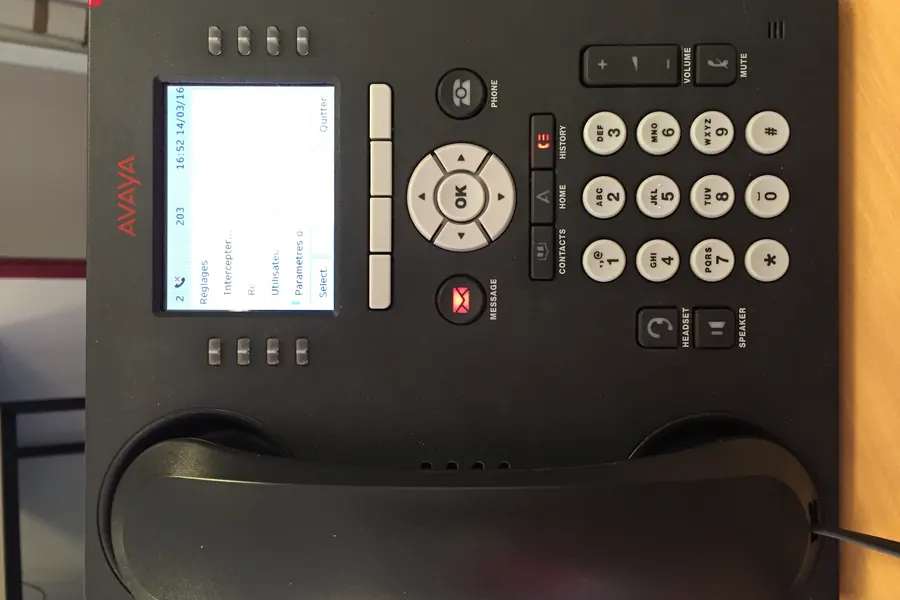
The classic landline is slowly disappearing and companies are moving to calling over the internet. It is called VoIP, and besides lower costs it brings features a landline never had. Let us explain what it is and what to keep in mind.
What VoIP is
VoIP (Voice over IP) means calling over the internet instead of a classic phone line. The voice is carried as data over the same network you browse on. From the user’s point of view, you call exactly the same way, only the infrastructure is different.
Benefits for a company
- Lower costs, especially for international and long-distance calls.
- Flexibility. You have your company number anywhere, on a desk phone, mobile and an app on your computer.
- Extra features: call forwarding, voicemail to email, multiple lines, a voice menu (IVR), call recording.
- Easy expansion, you add a new line without running cables.
SIP trunk and number porting
Companies usually connect to VoIP through a SIP trunk, which is a virtual replacement for a bundle of phone lines. Instead of physical wires it is a connection over the internet that carries several simultaneous calls at once. How many it can handle is set by the number of paid channels, so you size the capacity by how many people call at the same time.
Good news for companies: you can port your landline number to the VoIP operator (number portability is required by law in Slovakia). Customers will not notice the difference and you keep calling from the same number.
What it needs
- Quality and stable internet with enough upload and low latency, which we write about in the article download vs upload. A single call needs only around 100 kbit/s, but the key is stability, not speed.
- A cloud PBX or VoIP service that manages the calls.
- IP phones or a software phone (softphone) on the computer and mobile, or an adapter (ATA) for old analog phones.
What to watch out for
- Dependence on the internet. When the internet goes down, so does the phone. The solution is a backup connection or forwarding to mobile.
- Call quality depends on the network. The voice needs to be prioritized on the network via QoS, so calls do not stutter during downloads.
- Power during an outage. Back up IP phones and network gear with a UPS, otherwise you cannot call during a power outage. Some IP phones are powered over the network cable (PoE), in which case backing up the switch is enough.
- Emergency calls. With VoIP your location is not reported automatically as on a landline, so keep a mobile within reach. Report the address for emergency lines to the operator in advance.
VoIP versus a classic line
VoIP is cheaper, more flexible and richer in features, but depends on the internet and power. With the right deployment and backups, these risks are well manageable.
Considering a move to modern company telephony? Get in touch, we will design and deploy a tailored VoIP solution as part of IT support for companies.
Want modern company telephony without outages?
We design and deploy a tailored VoIP solution including number porting, QoS and UPS backup. For households and companies in the Liptov region.
Deploy VoIPThis article is part of our Business IT overview.
Frequently asked questions
What exactly is VoIP?
Is it worth a company switching from a landline to VoIP?
Will a company lose its original phone number by switching to VoIP?
What kind of internet do I need for good VoIP call quality?
What happens to company calling when the internet goes down?
How do emergency calls work over VoIP?
Need help with IT?
We will take care of your computers, networks and security - for businesses and households in the Liptov region.
Contact us