
QoS: prioritizing internet traffic for smooth calls and gaming
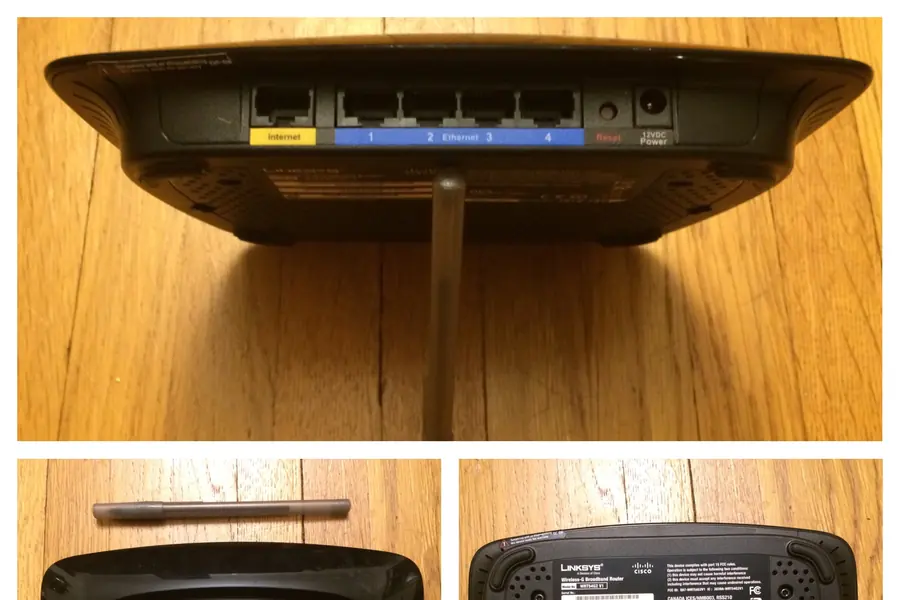
Does it happen that a video call or game starts stuttering exactly when someone in the household is downloading a large file? The solution is QoS, that is traffic prioritization. Let us explain what it is, how it works and when it helps.
What QoS is
QoS (Quality of Service) is a router feature that prioritizes important traffic over less important traffic. The router thus gives priority to, for example, a video call or gaming over downloads and backups, so sensitive things run smoothly even on a loaded network.
Why it is needed
Your internet connection has limited capacity. When something takes it up fully, for example a download or an update, sensitive activities like a video call, a game or VoIP start to stutter. QoS solves this by reserving priority for important traffic.
What to prioritize
- Video calls and VoIP, where every stutter shows immediately.
- Gaming, where low latency is decisive.
- Video streaming.
Conversely, downloads, backups and updates can wait when the network is loaded.
How it works
In the router you set rules by device, application or traffic type. The router then divides the available bandwidth so that priority things get what they need. It works in three steps:
- Classification and marking: the router recognizes the traffic type and marks it. This uses a DSCP tag (Differentiated Services Code Point), a small value in each packet’s header that lets the device tell a call apart from a download.
- Queues: marked traffic goes into different queues. Calls go to a priority queue, downloads to an ordinary one, so when the network fills up, important data is handled first.
- Bandwidth limiting: you can set a cap for less important traffic so it never takes the whole line.
This is configured in the router, and in companies often on the switch too. Some more modern routers do it automatically via so-called smart QoS, where you just turn the feature on and the device sets the priorities itself.
At home versus in a company
At home, simple QoS on the router is enough: you give priority to the gaming device or the computer used for video calls and you are set. In a company it is more important and more elaborate, mainly because of calling over VoIP, where even a short dropout ruins a call with a customer. There QoS is handled via DSCP tags and queues across the whole network, on the router and on the switches.
When it helps most
- On a slower connection, where the capacity is quickly used up.
- When there are many devices at once on the network.
- With important calls from home or VoIP in a company.
What to watch out for
QoS does not speed up the internet, it just better divides what you have. On a fast enough connection with a reserve, it is usually not needed. The setup differs by router, some cheap models do not have QoS at all. It matters to enter the real line speed correctly, because the router uses it to calculate how much bandwidth it has to divide. If you enter an inaccurate figure, prioritization works worse. This is also related to the choice of router.
Do calls or gaming stutter on a loaded network?
We will set up QoS and traffic prioritization so important things run smoothly even on a full network. For homes and businesses in the Liptov region.
Get in touchThis article is part of our Computer networks overview.
Frequently asked questions
What is QoS and what is it for?
Does QoS speed up the internet?
What is a DSCP tag in QoS?
Why does my video call stutter when someone else at home is downloading?
Do all routers have QoS?
Is QoS handled differently at home versus in a company?
Need help with IT?
We will take care of your computers, networks and security - for businesses and households in the Liptov region.
Contact us